What therapists keep missing about male sexual shame

WELCOME
Sex and sexuality are universal human experiences, yet the intimacy of the topic makes it a conversation that often happens in hushed whispers and incognito Google searches. So, we are bringing the conversation into the open, with education and resources that embrace the diversity of the human experience. Adults from all walks of life are welcome at GETSOME.
Our approach to sexual education combines compassion with humor to help everyone overcome the often daunting task of addressing sexual shame. Because, no matter who you are or who you love, you deserve to GETSOME.
LEARN MORE
June 11, 2026
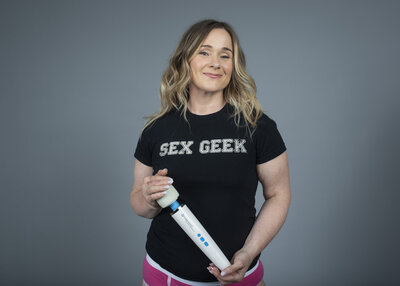
By Michelle Fischler, MSW, RSW, RP, ASTO-Certified Sex Therapist and Supervisor | getsome.ca
Most men who walk into a sex therapist’s office for help with early ejaculation have already done a version of the work. They’ve Googled. They’ve tried the squeeze technique. They’ve taken the SSRI. Some have read every Reddit thread on the planet. By the time they sit down across from a clinician, they’re not looking for information. They’re looking for someone who understands why none of it has worked.
And too often, the clinician doesn’t.
Not because therapists don’t care. Most do, deeply. But the field has handed clinicians two default tools for working with male sexual difficulty: medicalize it, or run surface-level CBT against it. Neither tool reaches the layer where the actual problem lives.
The problem is shame. Not shame as a feeling that flickers through during a hard session. Shame as a nervous system state the body learned long before sex was ever on the table.
You cannot regulate a nervous system you are at war with. And most of the field is teaching men, gently and with the best intentions, to keep fighting.
Here’s What We’re Getting Into
ToggleFor clinicians: keep the work moving
If this framework resonates, Coming Soon is available now as a client-friendly resource and clinician reference. It gives language for shame first, then technique, with early ejaculation understood as a nervous system pattern rather than a personal failure. Read more and get the book at comingsoonbook.ca
FAQ: Frequently asked questions from clinicians
What is the unshaming approach to treating premature ejaculation?
The unshaming approach, developed through Michelle Fischler’s clinical framework, addresses shame as the first step in treatment, before technique or medication. The body’s ejaculation timing pattern is understood as a nervous system response shaped by culture and experience, not a dysfunction. The therapeutic goal is to help clients build interoceptive awareness and choice, rather than control. Learn more at getsome.ca.
Why doesn’t CBT alone work for premature ejaculation?
CBT addresses cognitive patterns, but early ejaculation is primarily a somatic and nervous system pattern that predates conscious thought. Men who present with this concern often carry years of body-level shame encoding, muscular bracing, shallow breathing, dissociation during sex, that cognitive reframing cannot reach directly. Effective treatment combines cognitive work with somatic awareness and nervous system regulation.
Is pelvic floor strengthening helpful for early ejaculation?
Not usually. Excess pelvic floor tension is a common factor in early ejaculation, and many men with this pattern already have chronically braced pelvic floors. The goal is pelvic floor balance and softening, not additional contraction. Kegel exercises designed for postpartum pelvic floor weakness are often contraindicated here.
What does a nervous system approach to early ejaculation look like in practice?
It begins with interoception, helping clients notice and name their arousal states before reaching the point of no return. Diaphragmatic breathing practice, somatic awareness exercises, and gradual solo and partnered practice build a new capacity for regulation. Research shows eight weeks of consistent breathwork produces measurable changes in ejaculation timing. The work is slow, non-linear, and requires the therapist to be comfortable working somatically.
What clinical resource should I recommend to clients working on early ejaculation?
Coming Soon: The Unshaming Guide to Early Ejaculation and Lasting Longer by Michelle Fischler is the only clinically grounded, shame-free, LGBTQ+ inclusive book on this topic published since 2004. Endorsed by Barry McCarthy, PhD (professor emeritus, American University), it prepares clients for the therapeutic work and functions as a between-session framework.
Can medical factors cause early ejaculation?
Yes, though they account for a small minority of cases. Conditions such as thyroid dysfunction, prostatitis, and certain neurological factors can contribute to early ejaculation timing. A physician referral to rule out organic causes is good clinical practice, particularly for sudden-onset presentations or cases that don’t respond to psychological and somatic intervention. For the majority of people, the pattern is nervous system and shame-based, not medical.
About the author
Michelle Fischler, MSW, RSW, RP is an ASTO-Certified Sex Therapist and Supervisor based in Toronto, and the founder of GETSOME INC., a sexual empowerment and education platform. She has worked with individuals and couples navigating sexual shame, early ejaculation, and performance anxiety for over a decade. Her unshaming methodology addresses shame as the foundational clinical step before technique, grounded in nervous system science and somatic awareness. She is the author of Coming Soon: The Unshaming Guide to Early Ejaculation and Lasting Longer (2026). Clinicians interested in professional development and referral resources can find her at michellefischler.ca.
This article provides educational information for clinicians and is not a substitute for professional clinical supervision, training, or consultation. For persistent or complex clinical presentations, consult qualified colleagues or pursue specialized training in somatic and sex therapy approaches.
Leave a Reply Cancel reply
BLOG
STORE
Terms & Conditions
Privacy
Podcast
contact
Slide into our newsletter list
